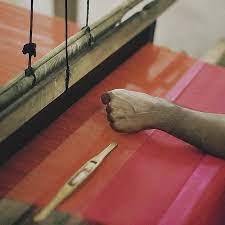
Kantha Stitch: The Art That Turned Bengal's Old Threads Into India's Most Coveted Weave
Kantha Stitch: The Art That Turned Bengal's Old Threads Into India's Most Coveted Weave
"What if the most exquisite piece in your wardrobe wasn't made in a factory, but stitched by hand, stitch by stitch, by women who have been passing down this secret for over five centuries?"
If you've been endlessly scrolling through saree collections feeling uninspired by machine-made prints, you've been looking in the wrong place. The answer lies not in mass production, it lies in kantha stitch, a stitch so rooted in Bengali culture that it practically carries the memory of generations within it.
Today, kantha stitch sarees and dupattas are having their long-deserved moment in contemporary Indian fashion. And rightly so. Because in a world of fast fashion, kantha is the quiet, confident opposite, slow, meaningful, and breathtakingly beautiful.

What Exactly Is Kantha Stitch? And Why It Feels Different?
At its core, kantha stitch is one of India's oldest embroidery traditions, a running stitch technique where artisans layer hundreds of parallel threads to create motifs ranging from floral patterns to mythological scenes. Originating in the Bengal region spanning both West Bengal and Bangladesh, the word "kantha" literally means "rag" or "old cloth" in Sanskrit.
Historically, rural Bengali women would recycle worn-out saris and dhotis, layering them together and using this running stitch to create quilts for newborns or gifts for brides. What began as a functional domestic craft slowly evolved into one of the most expressive textile art forms in India.
The magic of kantha stitch lies in its imperfection, no two pieces are ever alike. Every needle movement is a decision. Every motif is personal. That's what makes a kantha stitch saree not just a garment, but a conversation between the wearer and the hands that made it.
From Villages to Runways: The Shantiniketan Influence
No conversation about kantha is complete without mentioning Shantiniketan, Rabindranath Tagore's cultural haven in Birbhum district, West Bengal. Tagore's Visva-Bharati university championed Indian folk arts at a time when Western industrialism was overshadowing traditional crafts. Kantha became a symbol of that cultural revival.
The Shantiniketan kantha stitch saree is today considered a benchmark, characterised by its fluid narrative embroidery, warm earthy tones, and the signature kantha running stitch applied on soft cotton or silk grounds. These pieces are not merely ornamental; they are wearable folk art, each telling a story of the artisan's world, their festivals, their myths, their daily lives.
A genuine Shantiniketan kantha stitch saree can take anywhere from 15 to 45 days to complete, depending on the complexity of the embroidery, which is exactly why it holds such enduring value.
Kantha Cotton Sarees: Why Cotton Is the Ideal Canvas
While kantha stitch is applied on silk, muslin, and even georgette today, kantha cotton sarees remain the most beloved and versatile choice. Here's why:
Breathability & Everyday Wearability
Cotton's natural breathability makes it ideal for India's climate, especially in states like West Bengal, Odisha, and Assam where handloom cotton has deep cultural roots. A kantha cotton saree moves with you - to the office, to a festive lunch, or to a heritage walk.
The Perfect Stitch Ground
Cotton fibres hold thread embroidery exceptionally well. The tightness of the weave allows kantha stitch artisans to pull threads with precision, making finer details crisper and more durable over time. A well-cared-for kantha cotton saree outlasts trends by decades.
Sustainable & Conscious Fashion
For the conscious consumer, kantha cotton sarees check every box, naturally dyed or hand-block printed cotton, handcrafted by artisan communities, no machine intervention, traceable to source. It's slow fashion before the term existed.
The Kantha Stitch Dupatta: Versatility Meets Artisanship
Not ready to commit to a full saree? A kantha stitch dupatta is the perfect entry point into this craft. Lightweight, narrative, and deeply versatile, a kantha dupatta pairs effortlessly with kurtas, palazzos, simple anarkalis, or even over a plain white shirt for that effortless ethnic fusion look.
Artisans often use dupattas as canvases for bolder embroidery, since the surface is smaller, they can afford more intricate storytelling. Expect folk motifs like fish (a Bengali symbol of prosperity), parrots, peacocks, and geometric kantha border patterns that frame the dupatta with visual poetry.
How to Style Kantha Pieces in 2026
Kantha is no longer reserved for Durga Puja or Bengali weddings (though it shines brilliantly there too). Contemporary styling has completely rewritten the rules:
For work: Pair a muted kantha cotton saree in earthy tones with a crisp sleeveless blouse and minimal gold jewellery. Let the embroidery do the talking.
For festivals: Opt for a Shantiniketan kantha stitch saree with a contrasting blouse and traditional jhumki earrings for a look that feels rooted yet fresh.
Fusion casual: Drape a kantha stitch dupatta over wide-leg trousers and a fitted top, instantly elevated, effortlessly cultural.
For gifting: A kantha piece - whether a saree, dupatta, or stole - makes the most thoughtful, story-rich gift for someone who values craft over commodity.
What to Look for When Buying Authentic Kantha
With kantha's popularity surging, the market is flooded with machine-imitated "kantha-print" fabrics that lack the soul of the real thing. Here's how to tell the difference:
Run your fingers across the fabric, authentic kantha stitch creates a very subtle texture and slight fabric gather where threads are pulled. Machine prints feel flat. Check the reverse side, in true kantha, you'll see the thread running through in neat rows. Look for minor irregularities in the motifs, that's the hallmark of a human hand, not a machine.
Conclusion
Kantha stitch is more than embroidery. It's an act of preservation, of art, of community, of memory woven into fabric. Whether you fall in love with a hand-embroidered kantha stitch saree, a storytelling Shantiniketan kantha stitch saree, or discover kantha for the first time through a beautifully crafted kantha stitch dupatta, you are choosing something rare: fashion with a soul.
In a world saturated with the same, kantha is beautifully different. And when you wear it, you don't just wear a saree - you carry forward a five-century-old conversation between women, thread, and time.
Ready to begin? Browse Banbithi's kantha cotton sarees collection and find the piece that speaks to you.
Frequently Asked Questions About Kantha Stitch
What is kantha stitch?
Kantha stitch is a traditional hand-embroidery technique originating in Bengal, India, characterised by rows of running stitches used to create intricate motifs on fabric. It is one of India's oldest surviving textile art forms and is used extensively on sarees, dupattas, and quilts.
What makes a Shantiniketan kantha stitch saree special?
A Shantiniketan kantha stitch saree is crafted in the artisan tradition revived by Rabindranath Tagore's cultural movement in Birbhum, West Bengal. These sarees feature narrative folk embroidery, earthy natural tones, and exceptional handcraft quality — often taking 15 to 45 days to complete.
How do I identify authentic kantha cotton sarees?
Authentic kantha cotton sarees show slight fabric gather where threads are pulled, have visible running stitch on the reverse side, and carry minor natural irregularities in motifs — the mark of a human hand. Machine-printed imitations appear flat and perfectly uniform on both sides.
Can a kantha stitch dupatta be worn in everyday styling?
Absolutely. A kantha stitch dupatta is highly versatile and works beautifully with kurtas, indo-western outfits, and even casual Western ensembles. It adds artisanal character to any look without requiring a full traditional outfit.
How should I care for a kantha stitch saree?
Kantha stitch sarees should be hand-washed gently in cold water with mild detergent, avoiding wringing or machine washing. Dry in shade to preserve thread colour, and store folded in muslin cloth to protect the embroidery. Avoid direct sunlight for extended periods to prevent fading.
Where can I buy authentic kantha cotton sarees online?
For authentic, ethically sourced kantha cotton sarees crafted by skilled Bengal artisans, Banbithi's curated kantha collection is a trusted destination — offering handcrafted pieces that honour the tradition while meeting contemporary styling needs.
Indian Batik: The Ancient Wax-Resist Art That Tells a Thousand Stories in Cloth
Dhaniakhali Cotton: Bengal's Toughest, Most Beautiful Handloom Saree
Related Posts

How to Take Care of an Old Pure Silk Saree - Before It's Too Late

Dhaniakhali Cotton: Bengal's Toughest, Most Beautiful Handloom Saree

Indian Batik: The Ancient Wax-Resist Art That Tells a Thousand Stories in Cloth

Begumpuri Saree Weaving: Bengal’s Timeless Cotton Tradition

Kaam Er Kaaj: The Hand Embroidery Stories of Bengal’s Village Women

Murshidabad Silk: The Golden Thread of India’s Handloom Legacy